
Skip to content
JIAYU PRODUCT RANGE

Our Products

Explore the range, specifications and recommended uses.

Fresh Beef & Mutton

Explore cuts of Simmental beef, Angus beef and Hu sheep. Product details cover recommended uses and storage.

32 products

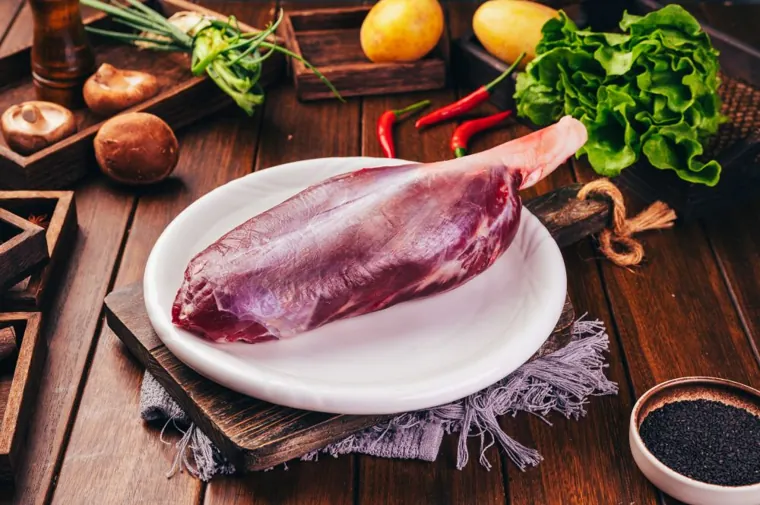
Premium Beef Shin (Coin Tendon)

Best for: braising, soy-marinating, cold dressing. Slice chilled after thorough braising — transparent tendon p…

View details

Location: on the inner side of the front leg, wrapped around the center of the shin; only two per animal — the rarest of all shin cuts. Features: fine, evenly distributed tendon patterns; cross-section shaped like an ancient coin; delicate and tender meat that turns translucent and glossy after braising — springy and smooth. A prized, high-value cut within the shin category. Recommended cooking: braising, soy-marinating, cold dressing. Slice chilled after thorough braising — transparent tendon patterns and clean slices. Best-fit channels: mid-to-high-end dining (cold dishes, banquets), supermarket premium fresh sections, gift channels. Storage: keep frozen at or below -18°C.

Request a quote
Flower Beef Shin

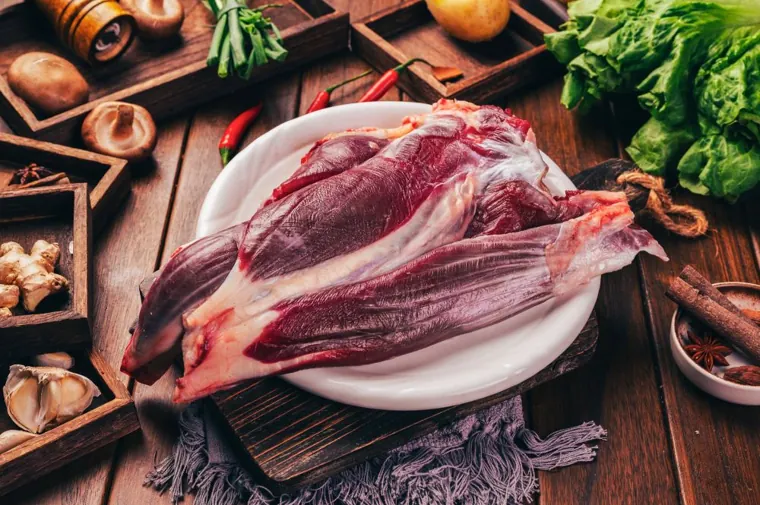
Best for: soy-braising, clear stewing, braising.

View details

Location: shin meat from the front and hind legs where tendons run in flower-like patterns. Fore shin (small flower shin / three-flower shin): less fascia, more tender. Hind shin (large flower shin / five-flower shin): more fascia, larger size. Features: rich in tendons distributed like flowers; gelatinous, springy, and chewy with layered texture; stands up to long stewing. Fore shin is softer and more tender; hind shin is firmer. Recommended cooking: soy-braising, clear stewing, braising. Fore shin suits spiced beef and soy-marinated beef; hind shin suits soy-braising and stewing. Best-fit channels: restaurant chains (beef noodle and braised-food shops), supermarket fresh sections, wholesale markets. Storage: keep frozen at or below -18°C.

Request a quote
Oyster Blade (Flat Iron)

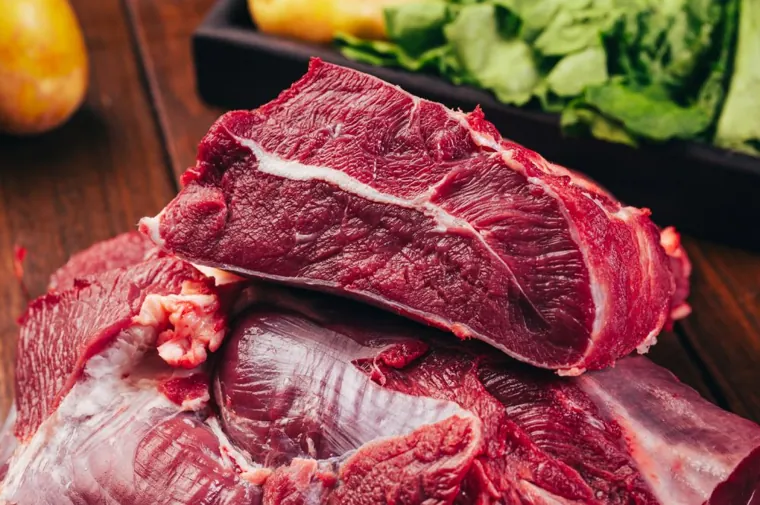
Best for: pan-frying (steak), BBQ, hot pot (thin-sliced), whole-roasting.

View details

Location: behind the shoulder blade; only about 2 kg per animal — a rare cut. Features: tender meat whose hallmark is a translucent tender tendon running through the center; it gelatinizes and turns crisp under heat, giving a springy, layered bite — neither dry nor greasy. Recommended cooking: pan-frying (steak), BBQ, hot pot (thin-sliced), whole-roasting. Best-fit channels: mid-to-high-end dining (steakhouses, yakiniku, teppanyaki), supermarket premium sections, e-commerce original-cut steaks. Storage: keep frozen at or below -18°C.

Request a quote
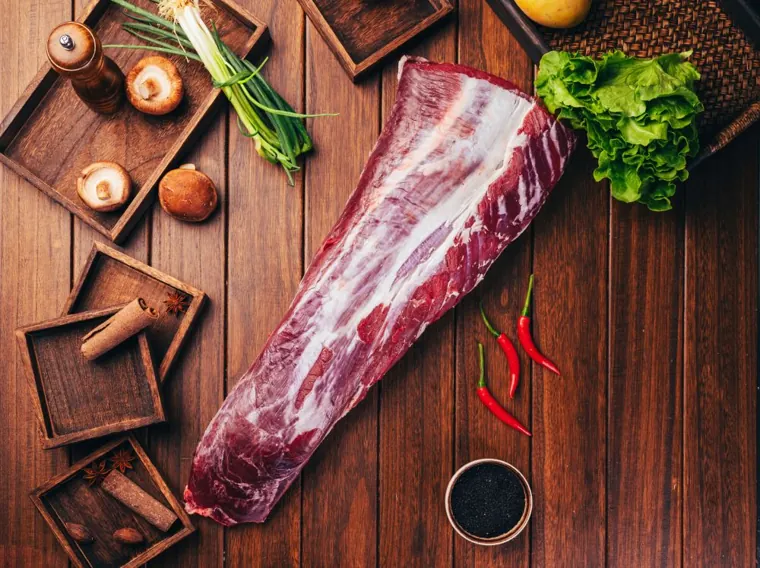
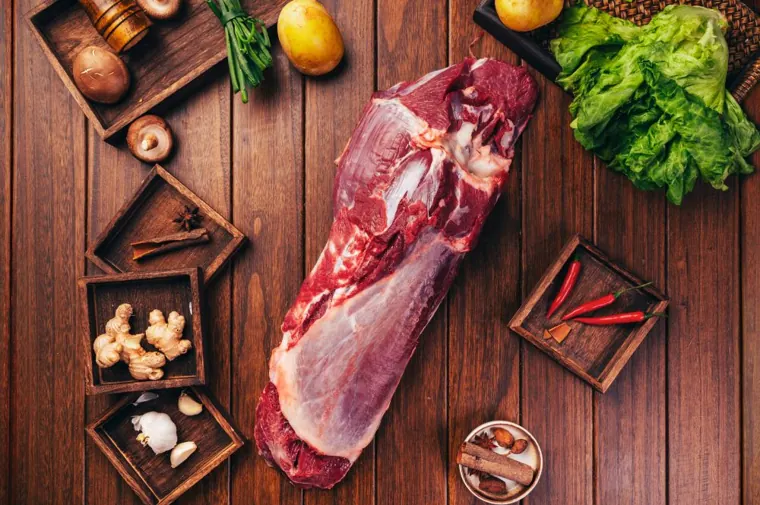
Beef Shin (Fore / Hind)

Best for: fore shin — braising, soy-marinating; hind shin — soy-braising, stewing, hot pot, stir-frying.

View details

Location: muscles above the knee joints of the front and hind legs, divided into fore shin and hind shin — the fore shin also called three-flower shin, the hind shin five-flower shin. Features: the fore shin has fine fascia and soft, juicy meat that stays moist after braising. The hind shin has coarser fibers and sinew with less fat — firm and chewy. Fore shin suits braising and soy-marinating; hind shin suits shorter cooking or braised and soy-stewed dishes. Recommended cooking: fore shin — braising, soy-marinating; hind shin — soy-braising, stewing, hot pot, stir-frying. Best-fit channels: mainstream dining, canteen catering, supermarket fresh sections, wholesale distribution, food-processing raw material. Storage: keep frozen at or below -18°C.

Request a quote
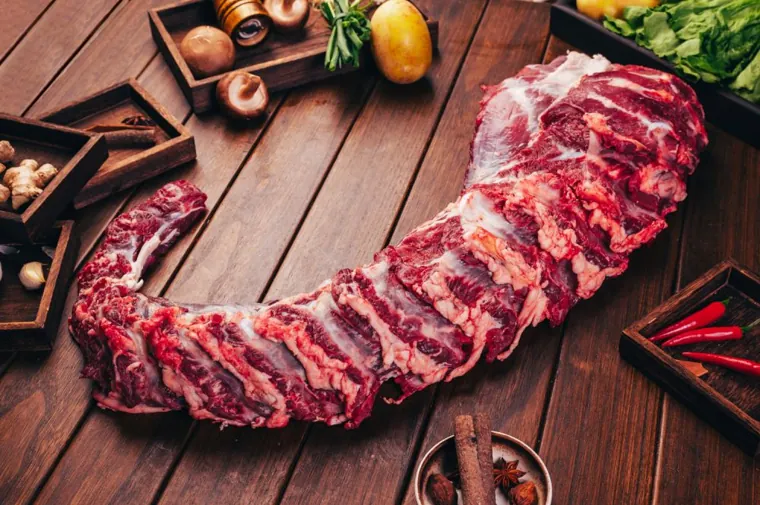
Tenderloin

Best for: quick-frying, velvet stir-frying, pan-frying (filet mignon), poaching. Not for long stewing — overcoo…

View details

Location: the long strip of muscle inside the spine, hugging the backbone; only about 2–2.5 kg per animal. Features: one of the most tender cuts of the animal — lean and sinew-free with extremely fine fibers and abundant juices. Minimal exercise gives it outstanding tenderness, though the beef flavor is relatively mild. Recommended cooking: quick-frying, velvet stir-frying, pan-frying (filet mignon), poaching. Not for long stewing — overcooking dries it out. Best-fit channels: mid-to-high-end dining, supermarket premium fresh sections, e-commerce original-cut filet. Storage: keep frozen at or below -18°C.

Request a quote
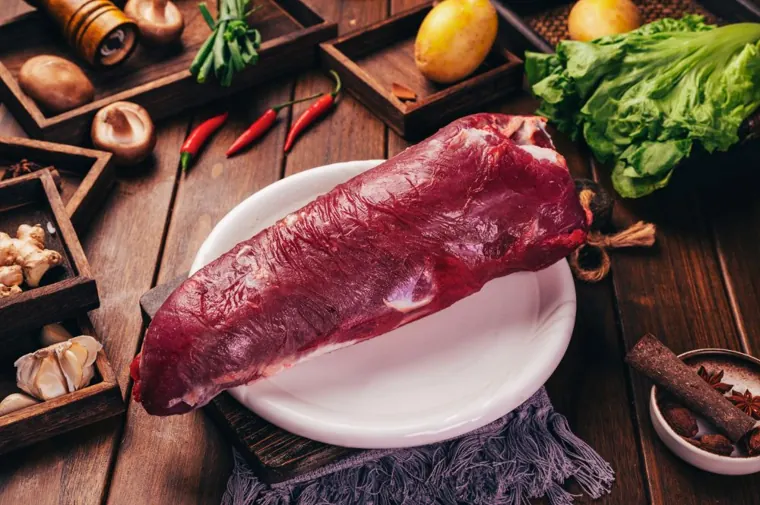
Diaolong (Beef Loin Strip)

Best for: hot pot, quick stir-frying, charcoal grilling, stir-fried rice noodles. Not for long stewing.

View details

Location: long strips flanking the spine (longissimus dorsi), about 5% of boneless yield per animal. Features: alternating lean and fat with streaks of fat; tender, juicy, slightly crisp, with a distinctive chew. A classic of Chaoshan beef hot pot, subdivided into core Diaolong (leaner) and Diaolong-ban (fattier and silkier). Recommended cooking: hot pot, quick stir-frying, charcoal grilling, stir-fried rice noodles. Not for long stewing. Best-fit channels: hot pot restaurants, mid-to-high-end yakiniku, supermarket premium fresh sections. Storage: keep frozen at or below -18°C.

Request a quote
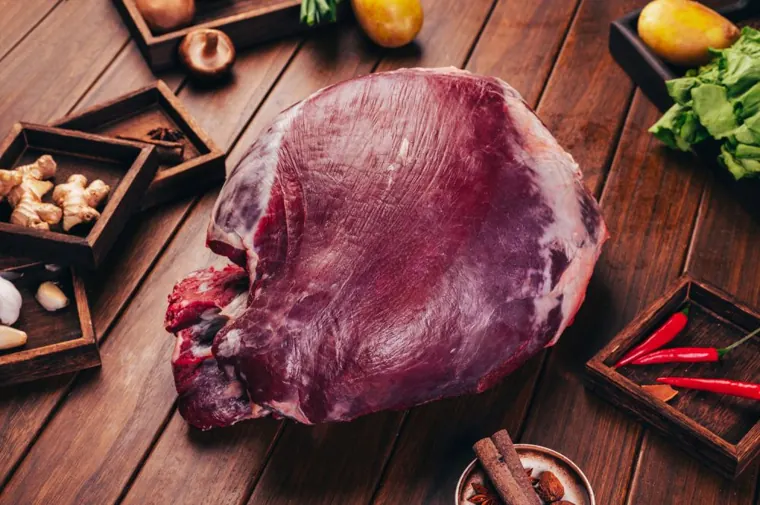
Chuck Tender ("Chili Strip")

Best for: quick stir-frying, thin hot-pot slices, lightly pan-fried mini steaks, cold dressing.

View details

Location: an independent long strip of pure muscle in front of the shoulder blade above the foreleg, named for its chili-pepper shape; formally known as chuck tender. Features: extremely fine fibers, almost no hard sinew, low-fat and lean; more aromatic than tenderloin with nearly matching tenderness — often called the "affordable petit filet" in the trade. Small yield; not for long cooking. Recommended cooking: quick stir-frying, thin hot-pot slices, lightly pan-fried mini steaks, cold dressing. Best-fit channels: Chinese stir-fry restaurants, hot pot venues, fitness/light-meal channels, supermarket fresh sections. Storage: keep frozen at or below -18°C.

Request a quote
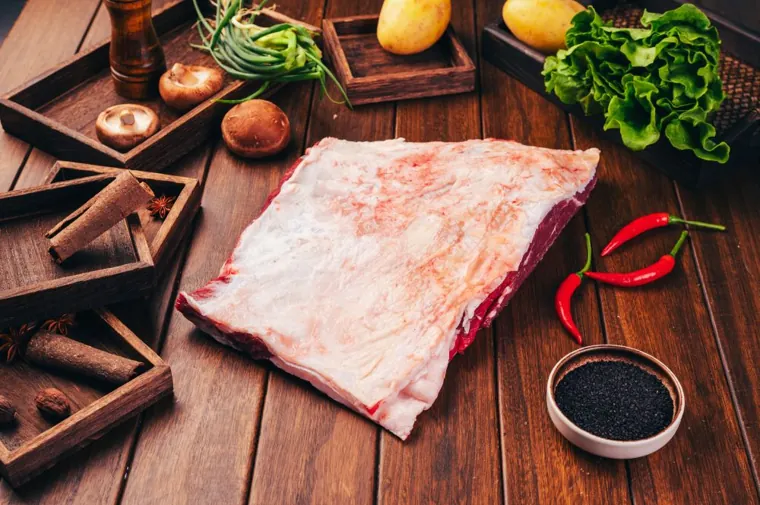
Beef Knuckle

Best for: sliced or shredded stir-frying, fillings (burger patties, beef sauce), low-temperature roast beef, ra…

View details

Location: the hind-leg hip, mainly the quadriceps femoris; oval-shaped, also known as the "monk's head" knuckle. Features: very low fat (about 3%–5%), firm texture, relatively coarse fibers — lean yet never tough, with high yield; a cost-effective cut for catering. Recommended cooking: sliced or shredded stir-frying, fillings (burger patties, beef sauce), low-temperature roast beef, raw material for spiced cooked products. As a whole steak it is rather coarse — better quick-fried after prep. Best-fit channels: mainstream dining, canteen catering, food processors (filling/sauce material), wholesale distribution. Storage: keep frozen at or below -18°C.

Request a quote
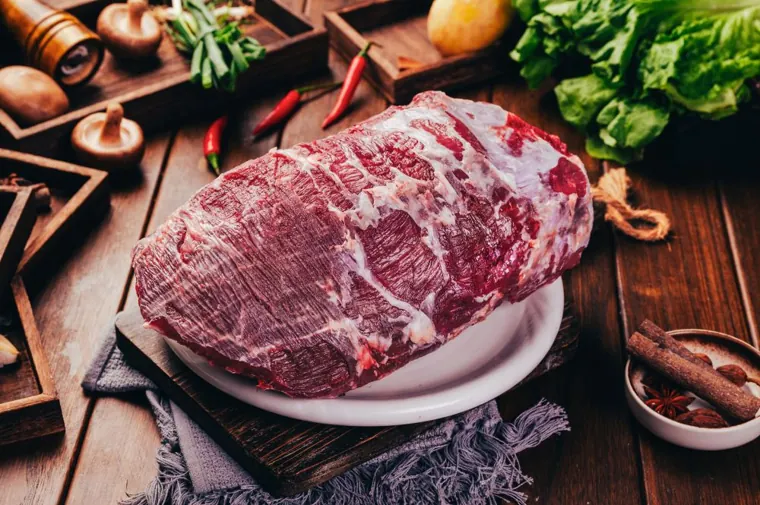
Beef Brisket

Best for: soy-braising, clear stewing, curry, beef brisket pot.

View details

Location: soft belly muscle near the ribs — an umbrella term for cuts with tendon, meat, and marbling. Features: soft and tender with rich fascia and fat; when stewed, the fascia turns to gelatin — soft, aromatic, with a rich broth. Suits long cooking; the longer it simmers, the better it tastes. Recommended cooking: soy-braising, clear stewing, curry, beef brisket pot. Best-fit channels: Chinese full-service dining, fast food / noodle shops, supermarket fresh sections, prepared-food processing. Storage: keep frozen at or below -18°C.

Request a quote
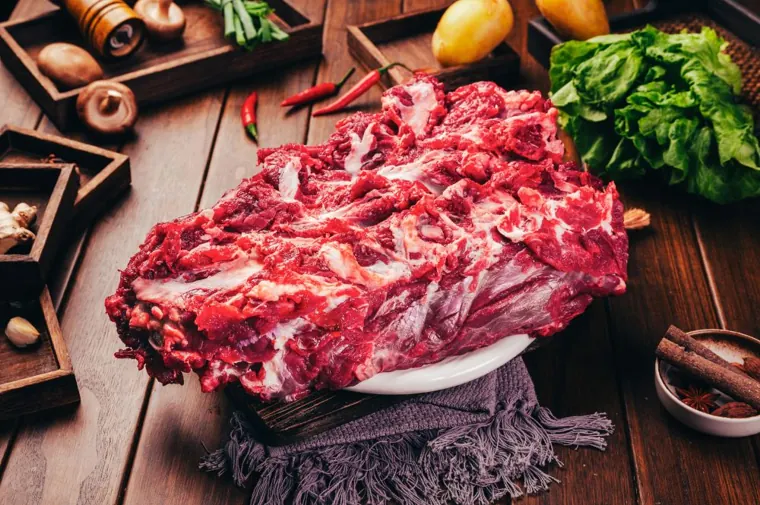
Beef Round (Eye of Round / Silverside)

Best for: large strip — thin slices for hot pot and sukiyaki; small strip — slow cooking, roasting, thin-sliced…

View details

Location: outer and inner hind leg — the large cucumber strip (outside round / silverside, outer thigh) and the small cucumber strip (eye of round, tube-shaped muscle on the inner hind leg). Features: mostly lean with very low fat, firm texture, and relatively coarse fibers. The large strip has a robust flavor; the small strip is dense and chewy. Less tender than tenderloin but full-flavored and great value. Recommended cooking: large strip — thin slices for hot pot and sukiyaki; small strip — slow cooking, roasting, thin-sliced for tataki or stir-frying; parts with more fascia can be cubed for stewing. Best-fit channels: hot pot restaurants, yakiniku, mainstream dining, wholesale distribution. Storage: keep frozen at or below -18°C.

Request a quote
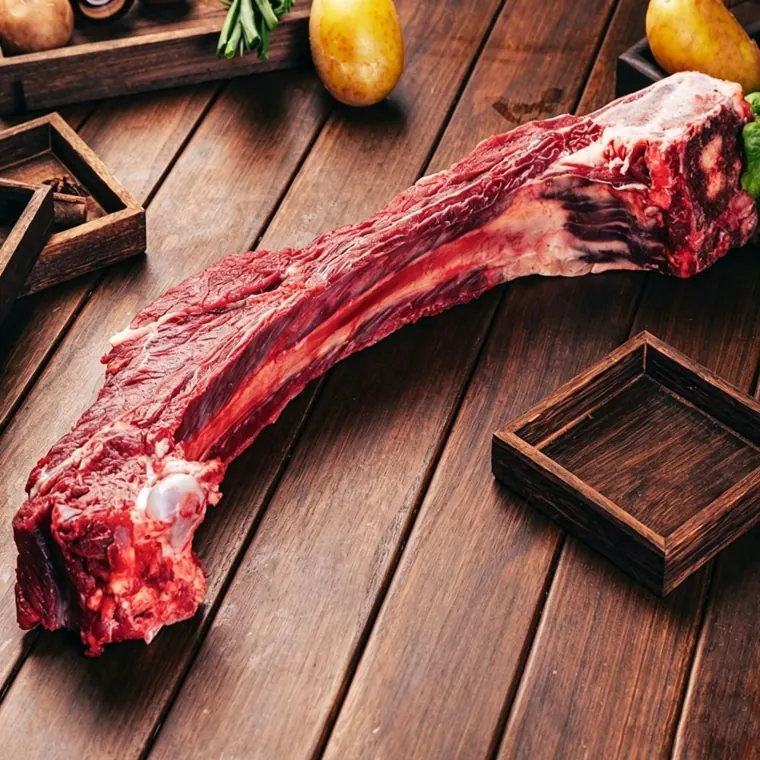
Beef Neck

Best for: stewing and braising, fillings (dumpling filling, meat sauce), soups, prepared meat cubes. Slow stewi…

View details

Location: neck muscles around the 1st to 7th cervical vertebrae — mixed fat and lean with interlaced grain. Features: a frequently exercised muscle group — coarser fibers, plenty of sinew and gelatin, rich beef flavor, low fat, great value. Neck meat near the chuck shows noticeable fat deposits and can yield marbled slices. Recommended cooking: stewing and braising, fillings (dumpling filling, meat sauce), soups, prepared meat cubes. Slow stewing softens the gelatin for a better bite. Best-fit channels: mainstream dining, canteen catering, prepared-food processors, wholesale distribution. Storage: keep frozen at or below -18°C.

Request a quote

Beef Ribs

Best for: stewing, soy-braising, sauce-braising, soup.

View details

Location: bone-in ribs from the rib section — unboned rib fingers, usually from the mid section. Features: bone-in and meaty — tender and juicy, rich in fat and sinew, with deeply flavorful bone-adjacent meat. Stewing on the bone releases marrow nutrients for a full-bodied broth. Recommended cooking: stewing, soy-braising, sauce-braising, soup. Best-fit channels: Chinese full-service dining, hot pot restaurants (broth base), supermarket fresh sections, community group-buying. Storage: keep frozen at or below -18°C.

Request a quote